
Introduction
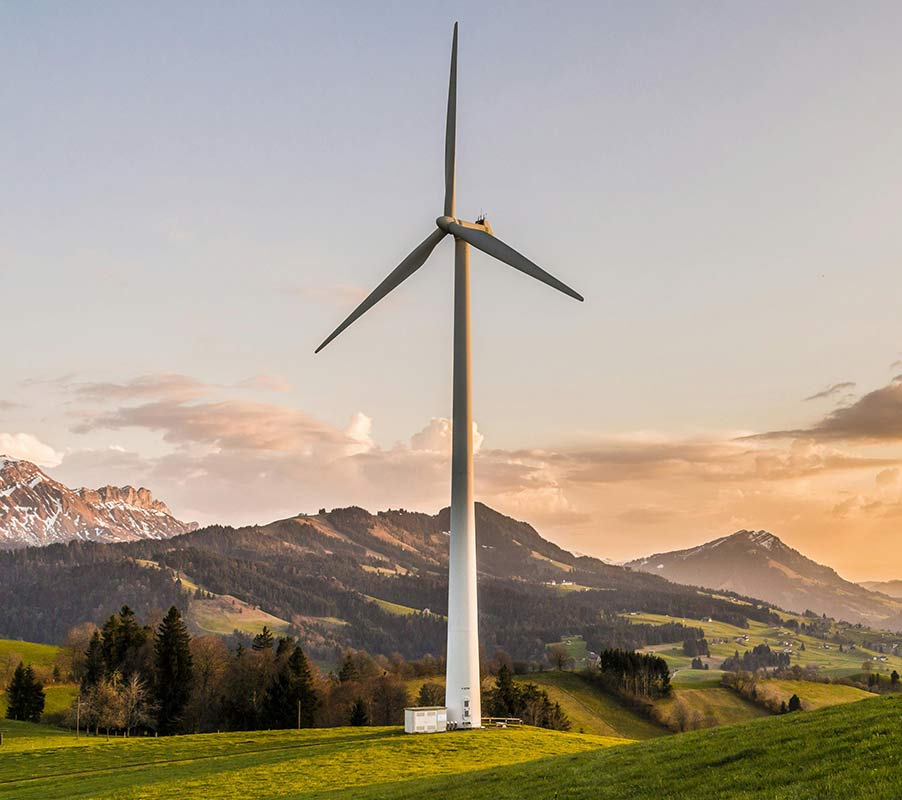
Wind power is a beacon of renewable energy, offering sustainable electricity directly from nature. Yet, its unpredictable nature can cause real challenges when it comes to managing energy production and maintaining grid stability. AI is stepping in to tame these wild winds, providing smart, real-time forecasts that enable wind farms to run more efficiently and reliably.
Taming Nature’s Wild Ways
Wind can be as unpredictable as a spontaneous conversation—it shifts, changes, and can catch you off guard. Traditional forecasting methods often struggle to keep up, resulting in:
- Imbalanced Energy Supply: Overestimating or underestimating wind speeds can lead to energy surpluses or shortages.
- Operational Setbacks: Inaccurate predictions force operators into constant reactive adjustments, leading to inefficiencies.
- Higher Costs: Uncertainty drives up operational and backup power costs, impacting overall profitability.
These challenges emphasize the need for a smarter, more adaptive approach to weather prediction—one that AI is now making possible.
How AI Transforms the Game
AI acts as your personal, ultra-smart weather forecaster by analyzing vast streams of data from various sources. Here’s how it revolutionizes wind forecasting:
- Real-Time Data Integration:
AI systems continuously draw from weather stations, satellite images, and turbine sensors, ensuring that forecasts reflect the latest conditions. - Advanced Learning Algorithms:
Machine learning models analyze both historical wind data and live updates, detecting hidden patterns and anomalies that traditional methods might miss. - Probabilistic Forecasting:
Instead of offering a single, rigid output, AI provides a range of probable outcomes. This helps operators prepare for and adapt to uncertainty, ensuring better grid management. - Optimized Decision-Making:
With more reliable forecasts, wind farm managers can fine-tune turbine operations, schedule maintenance more effectively, and strike a better balance between supply and demand.
Success Stories that Inspire
Real-world implementations show the transformative potential of AI in wind energy forecasting:
- Google’s DeepMind:
DeepMind’s machine learning models have improved forecasting accuracy by around 20%, allowing wind farms to optimize energy distribution and reduce reliance on expensive backup sources. - IBM’s Watson:
Watson leverages live weather data to help adjust turbine settings in real time, reducing downtime and boosting energy production efficiency. - Innovative Wind Farms in China:
Some wind farms in China have adopted AI-driven systems that continuously optimize turbine performance, resulting in increased energy output and reduced wear on equipment—ultimately lowering maintenance costs.


A Breeze into the Future
The advancements in AI-powered forecasting signal a promising future for renewable energy. Here are some exciting developments on the horizon:
- Digital Twins:
Virtual replicas of wind farms will allow operators to simulate different scenarios and optimize operations without any risk, paving the way for smarter energy management. - Autonomous Turbines:
Imagine turbines that automatically adjust their performance based on real-time AI insights. These self-regulating systems could maximize energy yield and reduce human intervention. - Seamless Grid Integration:
More reliable forecasts mean better integration of wind energy into the main grid, leading to a more stable and resilient energy network.
trusted expertise
Global leaders in reliable climate intelligence
innovating ideas
Driving sustainability through climate innovation
Final Thoughts
AI-powered wind power forecasting is turning a once unpredictable resource into a reliable asset. By leveraging real-time data and smart algorithms, this technology is not only enhancing operational efficiency but also paving the way toward a greener, more sustainable future. As AI continues to evolve, its impact on the renewable energy landscape will only grow stronger.
What are your thoughts on AI’s role in revolutionizing wind power forecasting? Join the conversation and share your ideas on how smart technology can drive sustainable innovation for a cleaner tomorrow.
One Comment
Leave A Comment
about
ICIS
Empowering global sustainability through actionable climate intelligence and innovative environmental solutions.





Interesting!!!