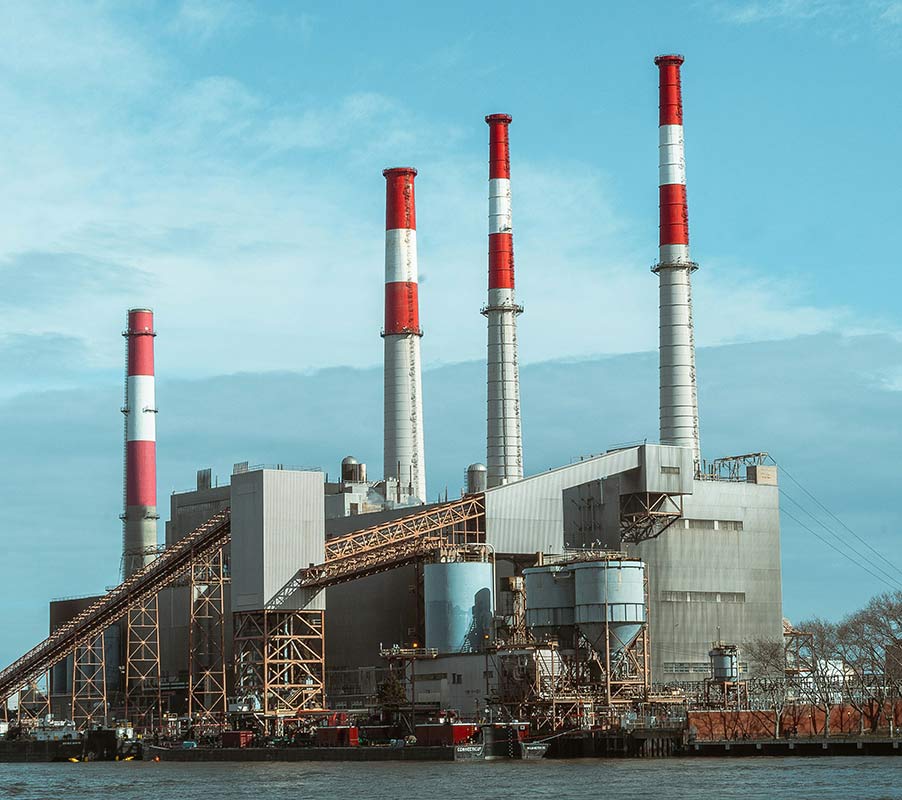
From Kitchen Oil to Cloud Nine
Imagine boarding a plane that’s partly powered by the same oil used to fry your favorite French fries. It sounds like a quirky headline, but it’s real. Airlines today are experimenting with Sustainable Aviation Fuel (SAF)—a cleaner alternative to fossil jet fuel that’s made from waste oils, agricultural residues, and even household trash.
Why We Need a Greener Flight Path
Air travel has transformed the way we connect, trade, and explore. But it comes with a heavy cost: aviation contributes about 2.5% of global CO₂ emissions, and that share is expected to rise as passenger numbers grow. Unlike cars or buses, planes can’t simply switch to batteries or hydrogen overnight. The physics of flight demand high energy density fuels, and that’s where SAF shines. It offers a drop-in solution—meaning it can be blended with conventional jet fuel and used in existing aircraft engines and fueling systems without redesigning fleets or airports.
For airlines under pressure from regulators, investors, and passengers to cut emissions, SAF is the most immediate lever available. It doesn’t just reduce carbon—it also helps airlines future-proof their business models in a world moving rapidly toward net zero.
From Waste to Wings: How SAF is Made
SAF isn’t one single recipe—it’s a family of fuels produced through different pathways, each with its own strengths:
- HEFA (Hydroprocessed Esters and Fatty Acids): Uses waste oils and fats (yes, even cooking oil). Currently the most commercially mature pathway.
- Fischer–Tropsch (FT-SPK): Converts solid waste or biomass into synthetic crude, then refined into jet fuel.
- Alcohol-to-Jet (AtJ-SPK): Turns ethanol or other alcohols into jet fuel.
- Power-to-Liquid (PtL): Uses captured CO₂ and renewable hydrogen to create synthetic fuels—an exciting frontier for the future.
Each pathway is certified for aviation use, and SAF can be blended up to 50% with fossil jet fuel today. Research is ongoing to enable 100% SAF flights, which would be a true milestone for aviation.
The Challenges on the Runway
Of course, SAF isn’t without turbulence:
- Cost: SAF is still 2–5 times more expensive than fossil jet fuel, making it hard for airlines to scale without subsidies or mandates.
- Supply: Global production is tiny compared to demand. In 2024, SAF accounted for less than 0.2% of total jet fuel use.
- Feedstock limits: There’s only so much used cooking oil or waste fat available. Scaling SAF will require diversifying feedstocks and investing in advanced technologies like PtL.
The Opportunities Taking Off
Despite these hurdles, momentum is building:
- Airline commitments: Carriers like Singapore Airlines, United, and Air France are signing long-term SAF contracts. Some airports, like Heathrow and Changi, are beginning to integrate SAF into their fuel supply systems.
- Government support: The EU’s “Fit for 55” package mandates SAF blending, while the U.S. Inflation Reduction Act provides tax credits for SAF producers. Singapore, Japan, and the UAE are also exploring SAF roadmaps.
- Corporate demand: Businesses are buying SAF credits to reduce emissions from employee travel, creating a new sustainability market that links aviation with corporate ESG goals.

Current Status and Gaps
Today, SAF is at a crossroads. The technology works, the benefits are clear, and the demand is growing—but the supply gap is enormous. Less than 1% of global jet fuel is SAF, and scaling up requires billions in investment, supportive policies, and breakthroughs in feedstock innovation. The challenge is not whether SAF can fly—it already does—but whether the world can produce enough of it, at the right price, to make a meaningful dent in aviation’s carbon footprint. Bridging this gap will define whether SAF becomes a niche solution or the backbone of sustainable flight.
trusted expertise
Global leaders in reliable climate intelligence
innovating ideas
Driving sustainability through climate innovation
Greener Skies Ahead
Sustainable Aviation Fuel isn’t a silver bullet, but it’s the most immediate and scalable solution we have today to decarbonize aviation. With the right mix of innovation, investment, and policy support, the idea of flying on French fries won’t just be a catchy headline—it will be part of everyday travel.
The skies of the future won’t just be busier. They’ll be greener.
about
ICIS
Empowering global sustainability through actionable climate intelligence and innovative environmental solutions.